

Lumbar Disc Pathology in a Professional Surfer
For nearly a decade, a professional surfer in Hawaii experienced persistent low back pain that was consistently attributed to “normal aging.” Imaging findings were considered non-severe, and his symptoms were repeatedly dismissed.
Despite the absence of dramatic radiographic findings, his condition had a profound impact. He gradually stepped away from the ocean, his career, and the routines that had defined his life.
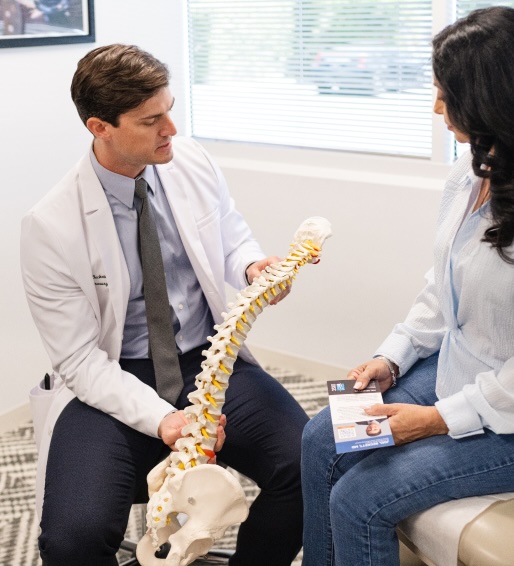
Before considering surgical intervention, multiple consultations focused on understanding both the clinical presentation and the broader functional impact. While the imaging appeared relatively unremarkable to others, the patient’s symptoms and limitations suggested a more significant underlying issue.
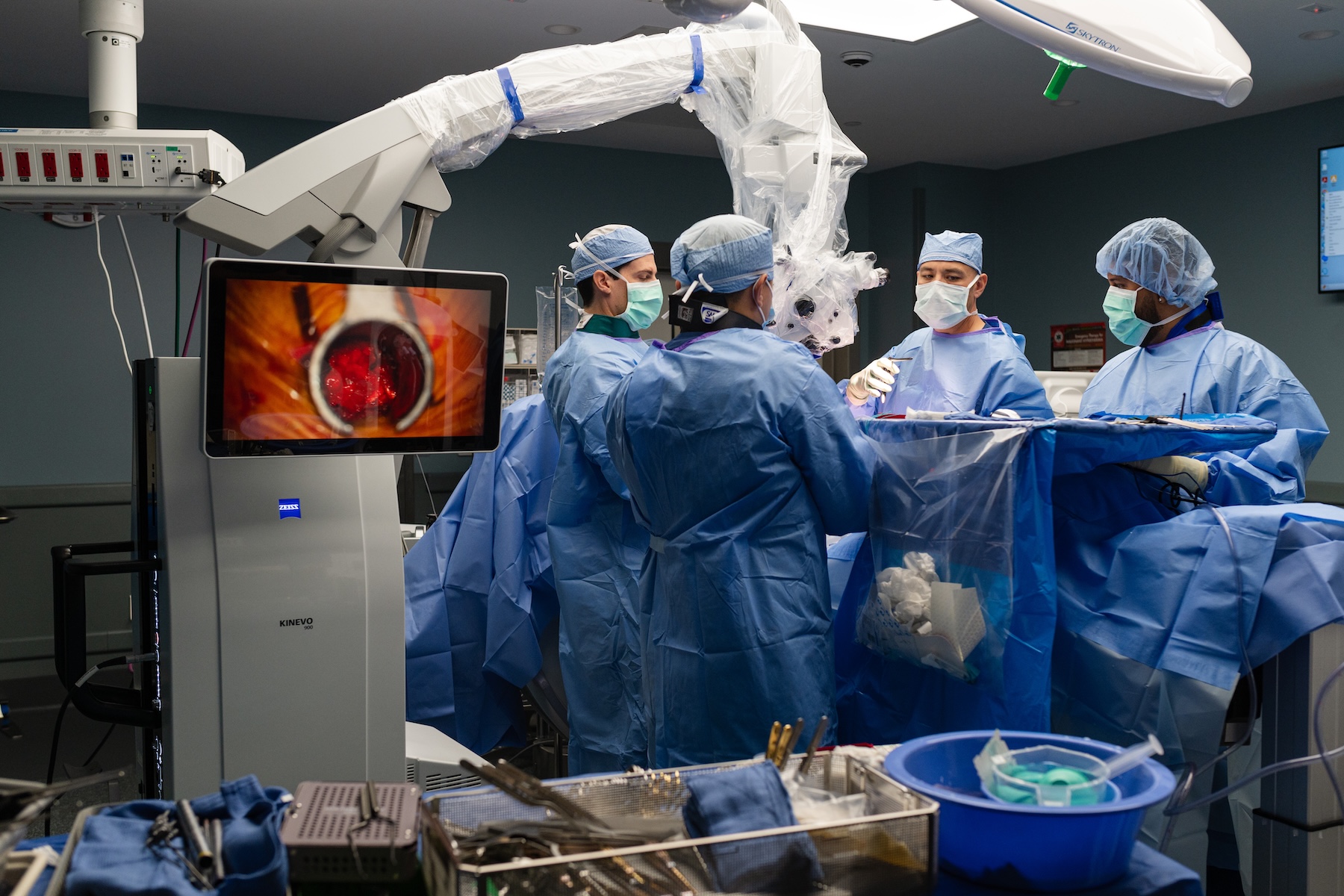
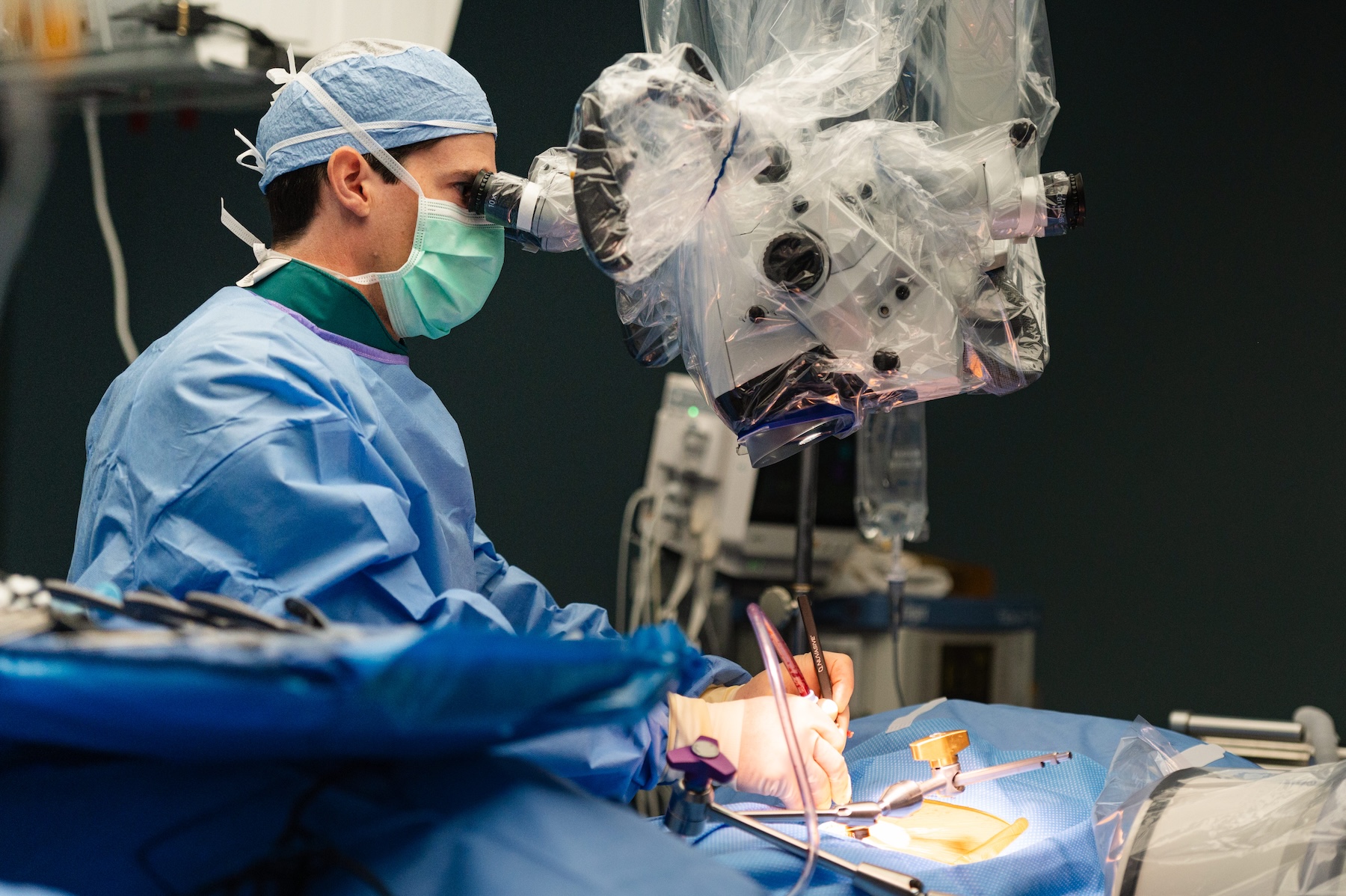
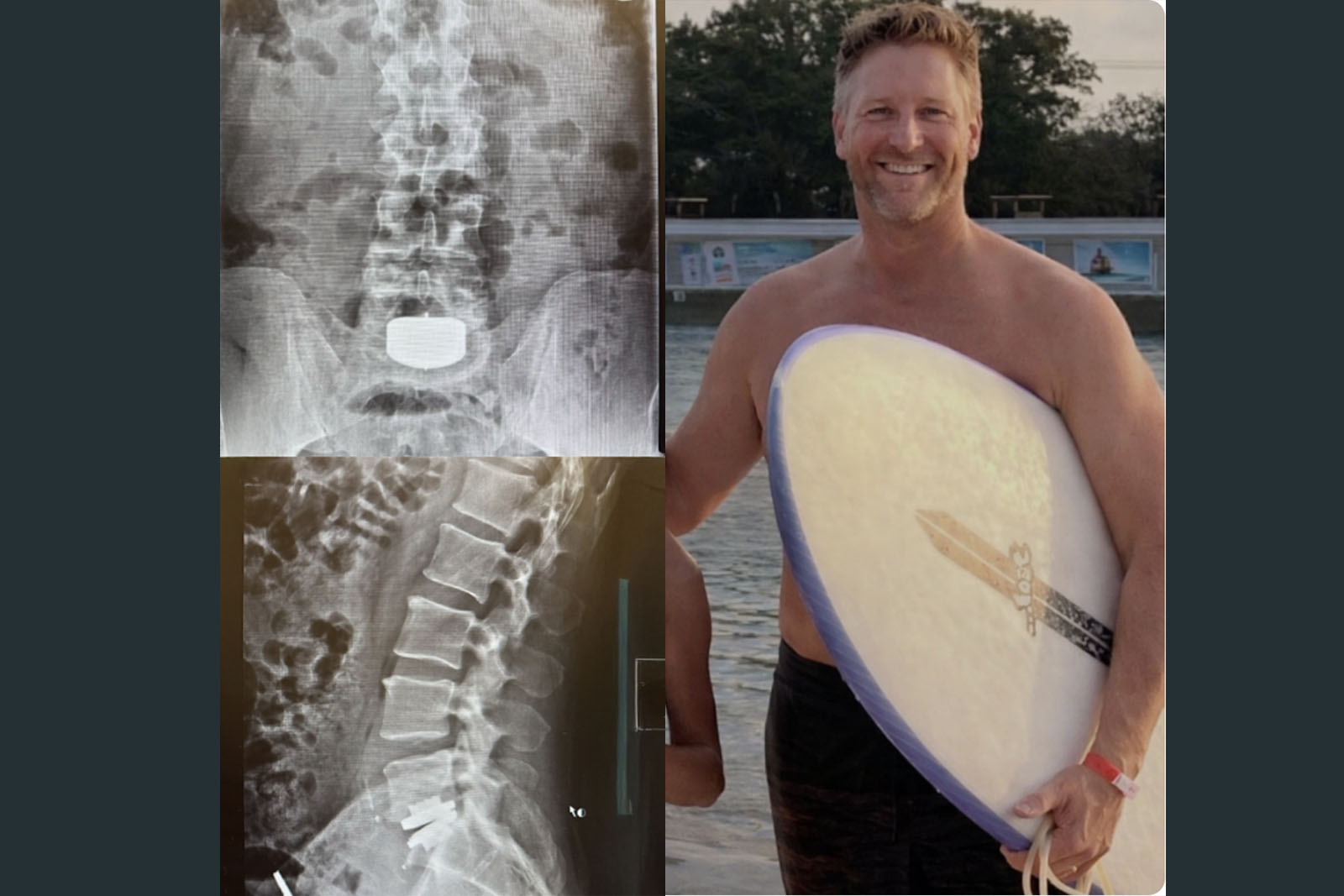
After careful evaluation, a motion-preserving approach was recommended. The patient underwent lumbar total disc replacement to address the symptomatic level while maintaining spinal mobility.
Postoperatively, the patient experienced rapid improvement in pain and function. Within days, he reported a meaningful reduction in symptoms. Over the following weeks, he returned to the ocean and resumed high-level surfing activity.
This case underscores the importance of correlating imaging findings with the patient’s lived experience. Spine care requires more than interpreting scans—it requires understanding how symptoms affect function, identity, and quality of life. When appropriately selected, motion-preserving procedures can restore both movement and the ability to return to meaningful activity.