TREATMENT

Minimally Invasive Spine Surgery

Precision surgical treatment with minimal tissue disruption.

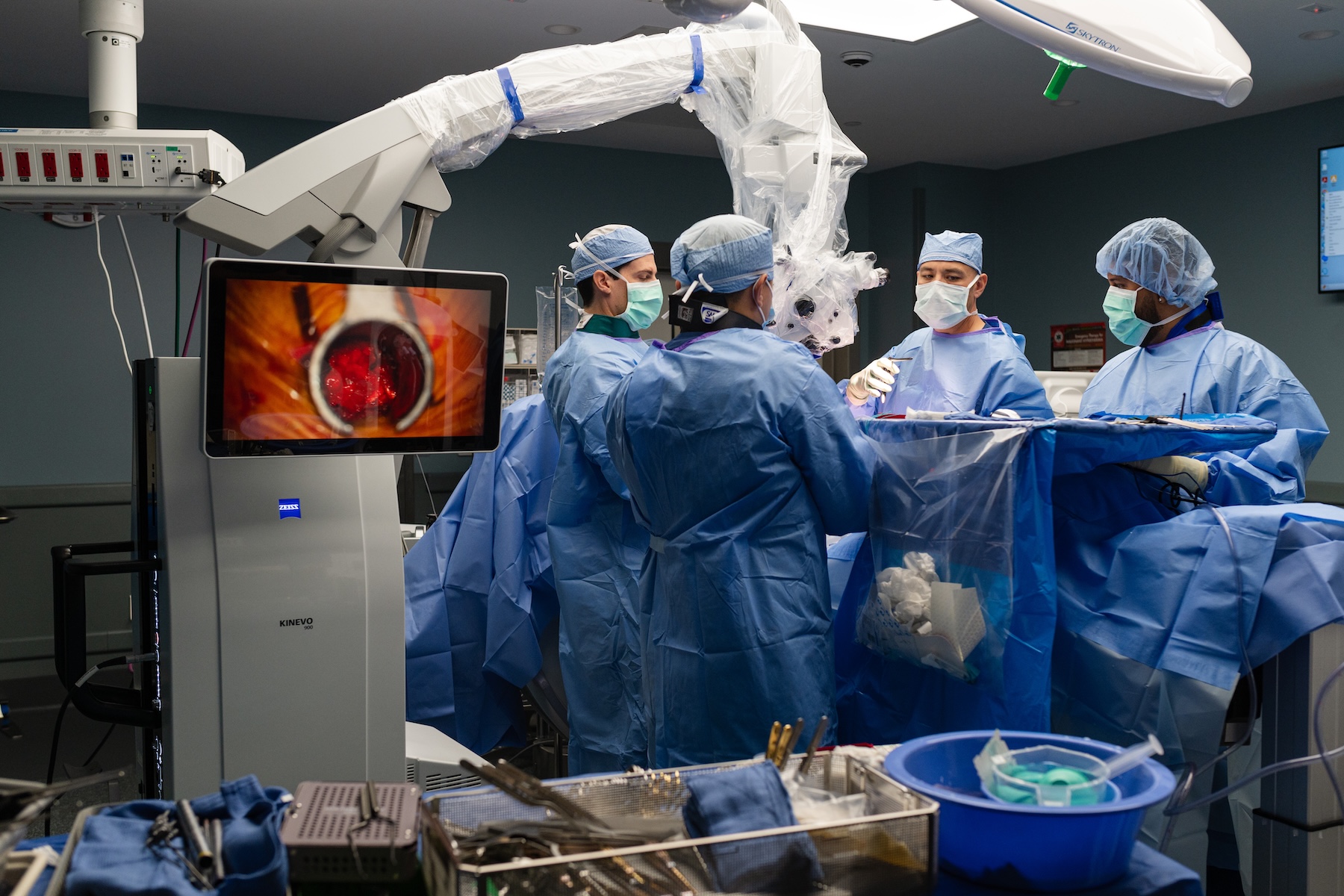
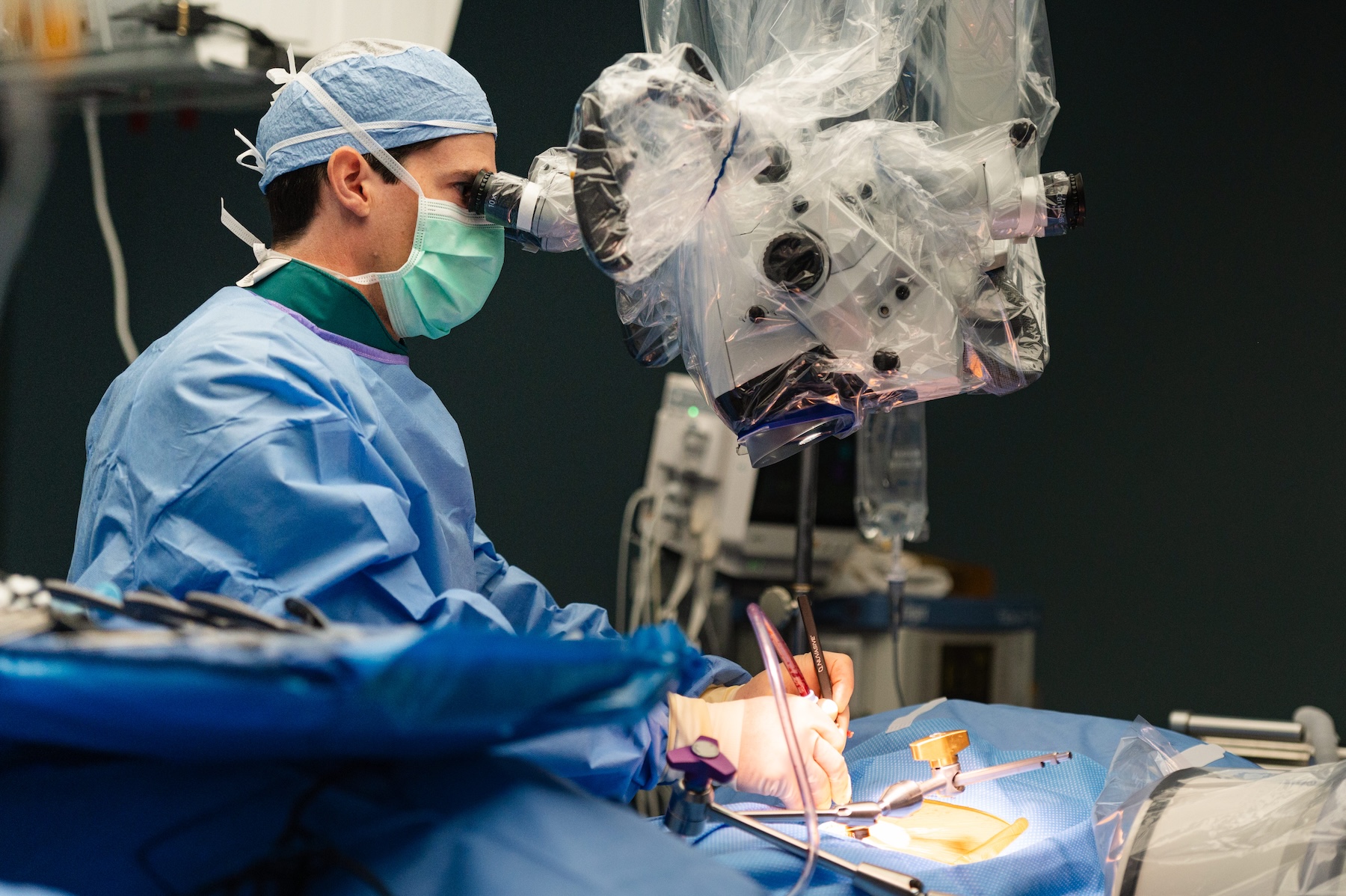
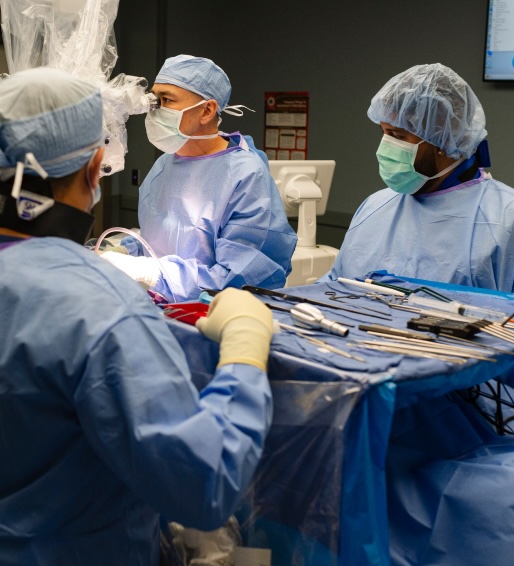
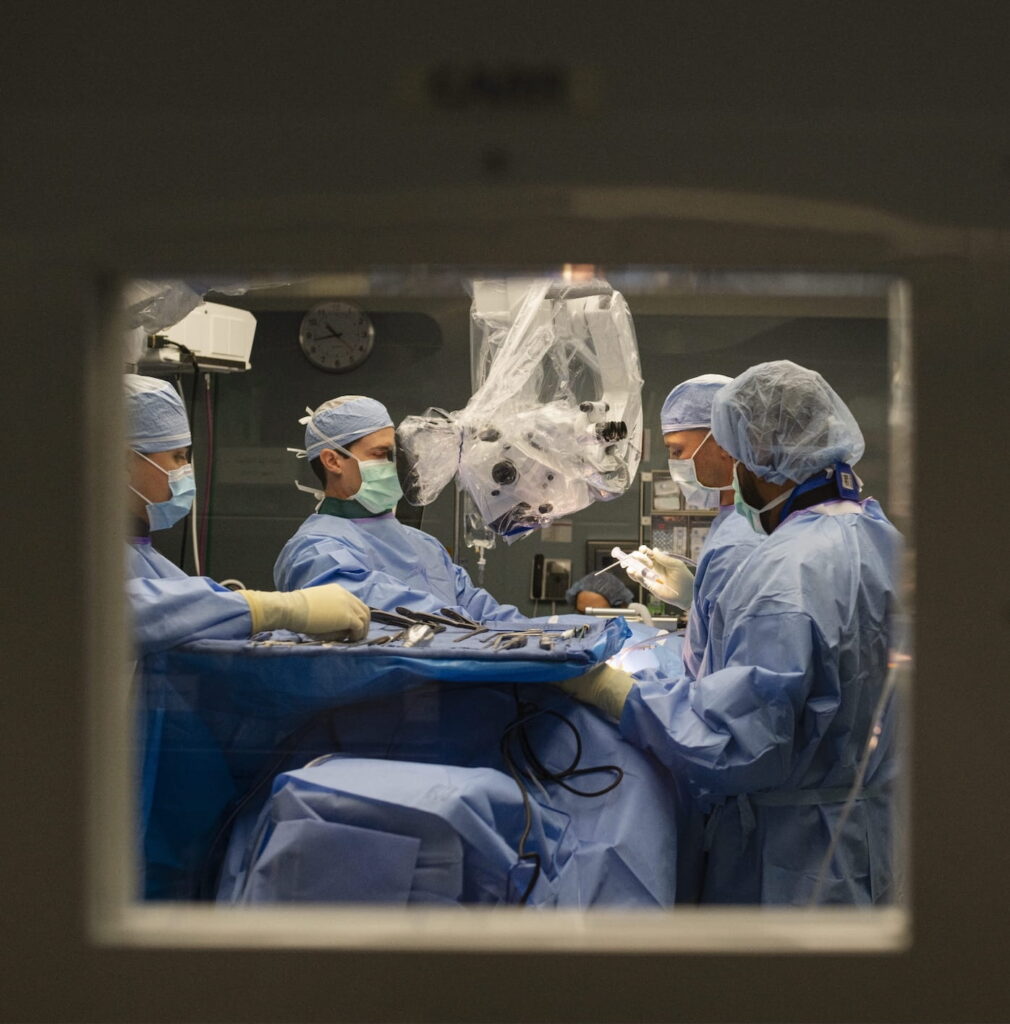
Minimally invasive spine surgery (MISS) is a surgical approach that uses smaller incisions and specialized instruments to access the spine with less disruption to surrounding muscles and tissue. By limiting surgical trauma, these techniques support faster recovery while effectively addressing the source of symptoms.

At Beckett NeuroSpine, the least invasive approach is selected that fully addresses the patient’s symptoms, condition, and treatment goals.

My goal with every procedure is to solve the problem completely while asking as little of the patient’s body as possible. Minimally invasive techniques, when appropriate, are the clearest expression of that philosophy.

What Is Minimally
Invasive Spine Surgery?

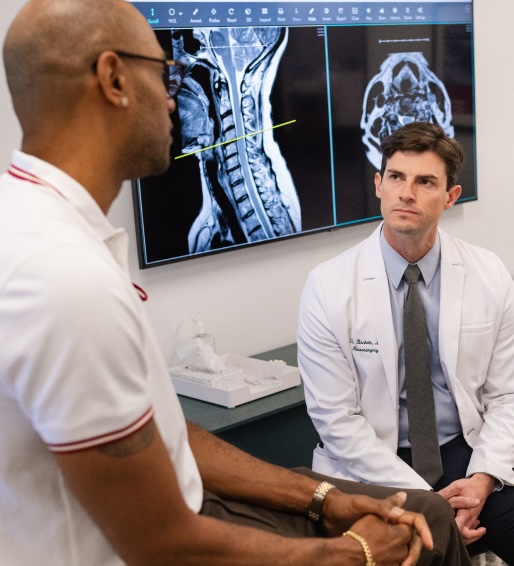
Traditional spine surgery often requires larger incisions and muscle dissection to reach the spine. Minimally invasive techniques instead use targeted access points and advanced visualization to treat the affected area with greater precision.

These procedures typically rely on:

High-resolution surgical imaging
Microsurgical instruments
Tubular retractors or small access channels
Targeted decompression of nerves
Advanced visualization techniques

This approach allows surgeons to address the underlying spine condition while preserving as much normal anatomy as possible.

IS MINIMALLY INVASIVE ALWAYS BETTER?

Why Minimally Invasive Spine Surgery?

Degenerative disc disease is common, but its impact varies from patient to patient. For carefully selected individuals, minimally invasive techniques offer a way to relieve nerve compression and restore function while minimizing disruption to surrounding structures.

By limiting tissue damage and focusing treatment on the precise source of symptoms, these procedures can support a more predictable recovery and earlier return to daily activity.

Minimally invasive surgery is not appropriate for every condition, but when indicated, it can provide an effective and thoughtful alternative to more extensive surgical approaches.

Minimally Invasive Surgical
Procedures

The following procedures are performed using minimally invasive techniques, selected based on each patient’s diagnosis, imaging findings, and the precise source of their symptoms.

Microdiscectomy

A minimally invasive procedure that removes herniated disc material compressing a spinal nerve. It is one of the most effective treatments for arm or leg pain caused by disc herniation.

Laminectomy

Removes part of the lamina to relieve pressure on the spinal cord or nerve roots. Commonly used to treat spinal stenosis causing back pain, leg pain, or difficulty walking.

Foraminotomy

Enlarges the opening where spinal nerves exit the spine to relieve compression from bone spurs or disc material. Often used for foraminal stenosis causing persistent arm or leg symptoms.

Decompression

A group of procedures designed to relieve pressure on the spinal cord or nerves by removing the structures causing compression. May include laminectomy, foraminotomy, or discectomy depending on the condition.

Kyphoplasty

A minimally invasive procedure that stabilizes vertebral compression fractures by restoring height and reinforcing the bone with cement. Often used for fractures related to osteoporosis or trauma.

Spinal Fusion

Procedures designed to relieve pressure on spinal nerves or the spinal cord by removing the structures causing compression.

Anterior Cervical Discectomy & Fusion

Removes a damaged disc in the cervical spine and stabilizes the segment to relieve nerve or spinal cord compression.

Corpectomy

Removes part of a vertebral body and adjacent discs to relieve pressure on the spinal cord, typically in more advanced cases.

Posterior Cervical Fusion

Stabilizes the cervical spine from the back of the neck, often used when additional structural support is needed.

Kyphoplasty

Minimally invasive procedure used to treat certain spinal fractures by stabilizing the vertebra and restoring height.

Revision Spine Surgery

Corrective procedures performed to address persistent symptoms or complications from prior spine surgery.

When is Minimally Invasive Spine Surgery Appropriate?

Minimally invasive techniques are most effective when the source of symptoms is clearly defined and can be fully addressed through a narrow approach. Not every spine condition fits this model; selecting the wrong surgical approach, even a less invasive one, does not serve the patient.

Minimally invasive techniques may be considered when:

  • A herniated disc, bone spur, or thickened ligament is causing nerve compression
  • Foraminal narrowing is producing persistent arm or leg pain
  • A vertebral compression fracture requires stabilization
  • Conservative treatment has not provided sufficient relief
  • Imaging findings clearly correlate with clinical symptoms

When a condition requires more extensive reconstruction, deformity correction, or revision of prior surgery, a more involved approach may be necessary. The surgical plan is determined through a detailed evaluation of the diagnosis, imaging, and functional goals.

Find The Right Treatment for Your Spine

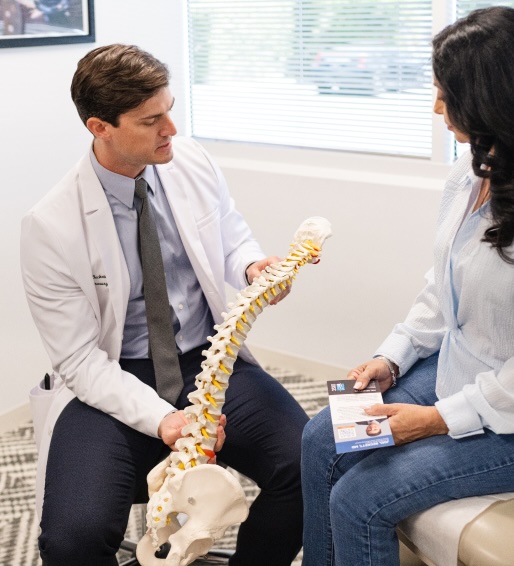
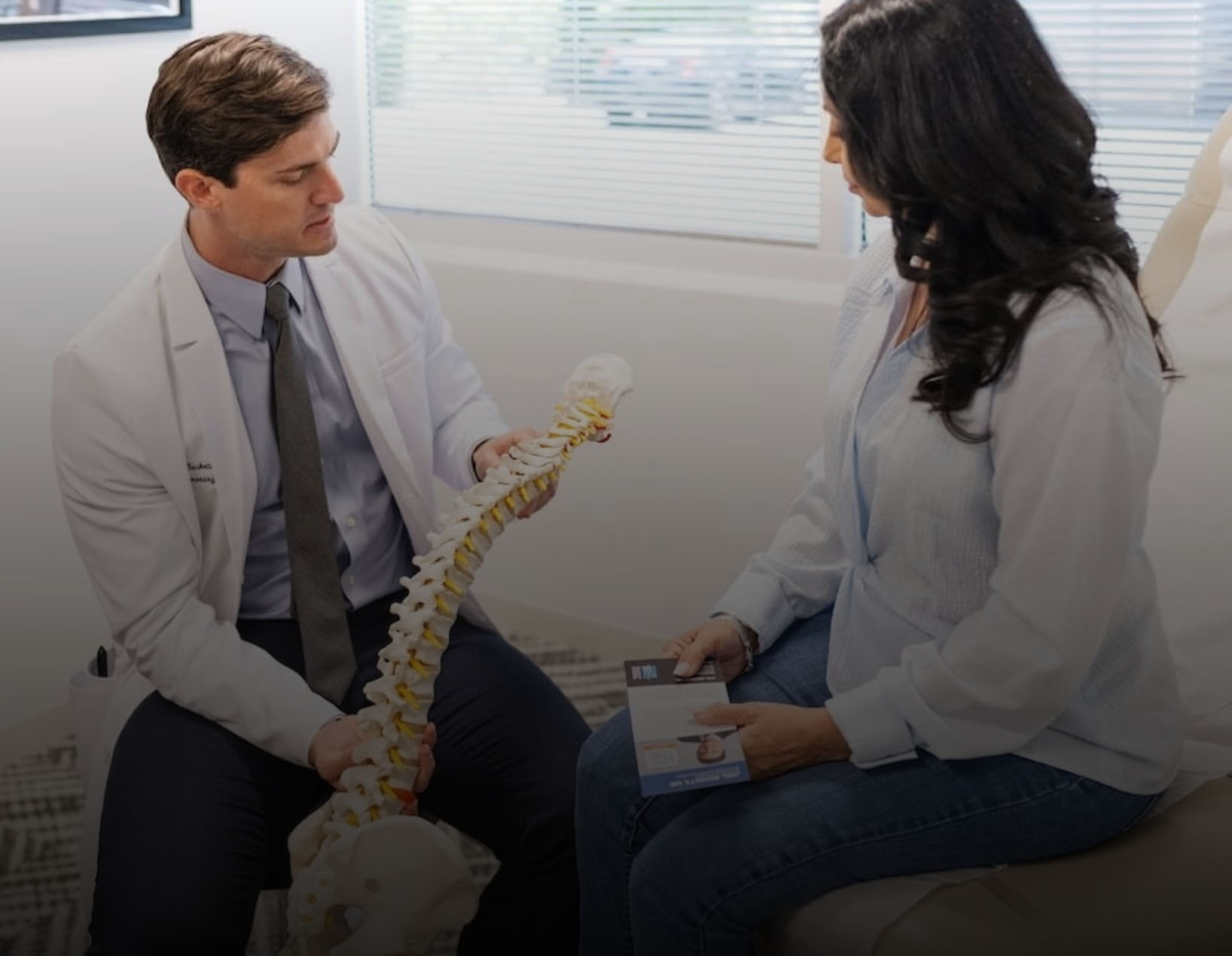
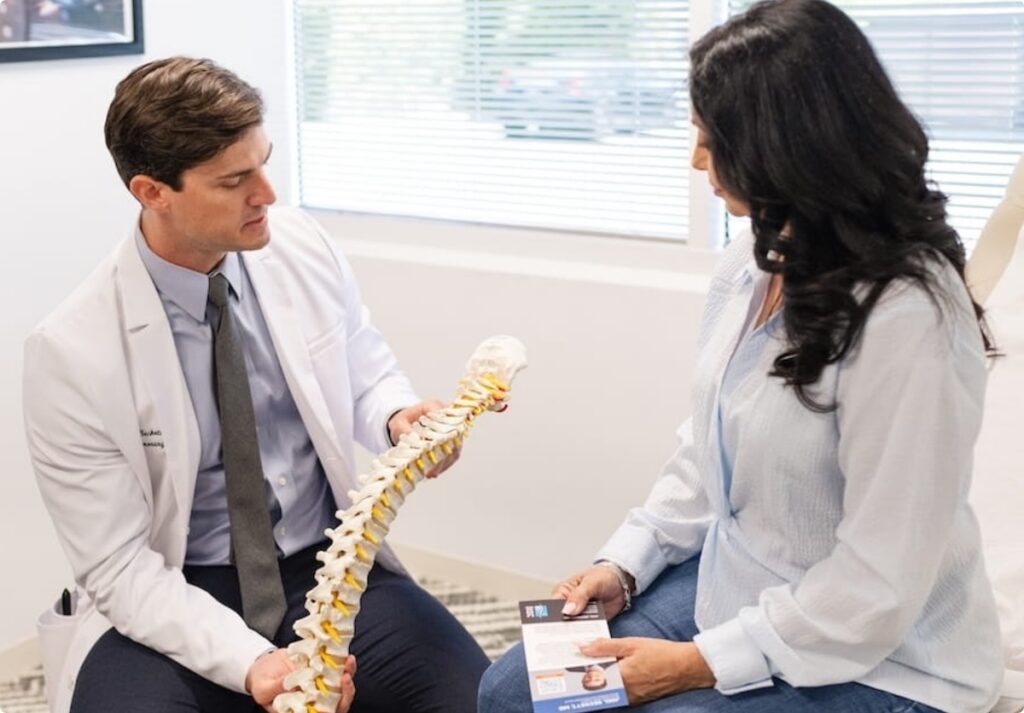
The most effective treatment approach begins with an accurate diagnosis and a clear understanding of the underlying condition. A comprehensive evaluation allows Dr. Beckett to develop a treatment plan that is both precise and appropriate.

TESTIMONIALS FROM OUR PATIENTS

Insights, Press & Case Highlights

Schedule A
Consultation

Take the next step toward better spine
health. Schedule a consultation with
Dr. Beckett today.