

10 Common Spine Surgery Myths: What Patients Should Know
Separating Fact from Fiction in Modern Spine Care
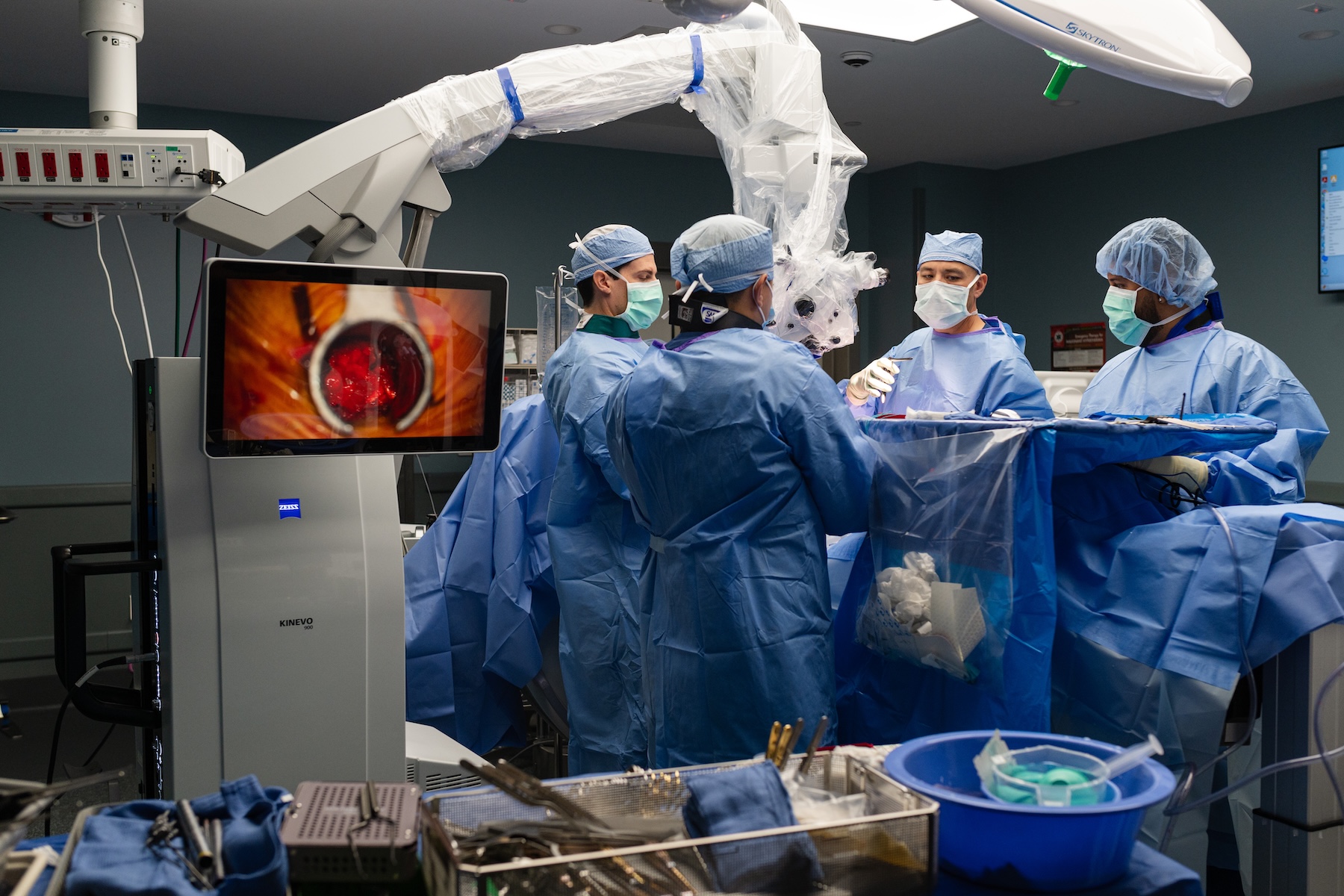
Decisions about spine surgery can feel overwhelming, particularly when much of the information patients encounter reflects procedures and recovery experiences from years ago. Today, advances in imaging, surgical planning, minimally invasive techniques, and motion-preserving technology allow spine specialists to approach treatment with greater precision and personalization. Understanding what modern spine care involves can help patients move beyond outdated assumptions, evaluate their options with confidence, and make informed decisions about achieving lasting relief and returning to the activities they value.
10 Myths About Spine Surgery
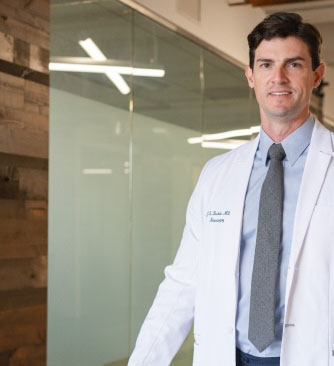
Misconceptions about spine surgery often reflect older procedures, individual experiences, or information that does not apply to every patient. Dr. Beckett frequently addresses the following 10 concerns in his practice. Understanding how advanced imaging, individualized planning, minimally invasive techniques, and motion-preserving options have changed spine care can help you approach treatment decisions with greater clarity and confidence.
1. Spine Surgery is Always a “Last Resort”
Surgery should never be rushed, and many patients improve with appropriate nonsurgical care. However, calling it a “last resort” can suggest that treatment should be delayed until every other option has been exhausted. When nerve compression is causing progressive weakness, muscle loss, worsening numbness, or declining function, waiting too long may reduce the potential for neurological recovery. In these situations, timely surgery may offer the best opportunity to protect nerve health and preserve long-term mobility.
2. Recovery Takes Many Months of Bed Rest
Recovery after spine surgery rarely involves remaining in bed for months. After many modern procedures, patients are encouraged to begin short, supported walks the same day or shortly after surgery. Appropriate movement can promote circulation, reduce stiffness, and help patients gradually regain strength and confidence. Recovery varies according to the procedure and the individual, but prolonged bed rest is generally not the goal.
3. You Will Inevitably Need More Surgeries Later
Undergoing spine surgery does not automatically begin a cycle of future procedures. Long-term outcomes depend on several factors, including the diagnosis, spinal alignment, procedure selection, and whether treatment addresses the true source of the symptoms. For appropriately selected patients, motion-preserving procedures such as artificial disc replacement may help maintain more natural movement and limit additional stress on adjacent spinal levels when compared with fusion.
4. Large Incisions Are Required for Success
A large incision is not always necessary to achieve an effective surgical result. Many procedures can now be performed through smaller incisions and muscle-sparing pathways that minimize disruption to surrounding tissue. The benefit extends beyond the appearance of the scar: when appropriate for the condition, minimally invasive techniques may reduce postoperative discomfort and support a more efficient recovery. The surgical approach should always be selected according to the patient’s anatomy, diagnosis, and treatment goals.
5. Spinal Fusion is the Only Way to Stabilize the Spine
Fusion remains an important and effective treatment when instability, deformity, poor bone quality, or other structural conditions require a spinal segment to be immobilized. However, it is no longer the only surgical option for every patient. In appropriately selected cases, artificial disc replacement can provide stability while preserving motion and more natural spinal mechanics. Choosing between fusion and motion preservation requires careful consideration of the diagnosis, alignment, anatomy, and long-term functional goals.
6. You’ll Never Return to Sports or Physical Activity
Spine surgery does not necessarily mean giving up an active lifestyle. Following an individualized recovery and rehabilitation program, many patients can return to exercise, recreational sports, and other activities that matter to them. The appropriate timeline depends on the procedure, the patient’s overall health, and the physical demands of the activity. Modern spine care is often designed not only to relieve symptoms, but also to restore strength, movement, and confidence.
7. The Risk of Paralysis is High
Because spine surgery is performed near the spinal cord and nerves, concerns about paralysis are understandable. For many commonly performed procedures, however, the risk of a major neurological complication is low, particularly in the hands of an experienced spine surgeon. Detailed imaging, advanced surgical planning, real-time neuromonitoring, and, when appropriate, navigation or robotic guidance further support precision and safety. Individual risk still depends on the diagnosis, procedure, and complexity of the case, so your surgeon should explain the considerations specific to your treatment.
8. Chronic Pain Always Returns After a Few Years
Pain does not inevitably return after spine surgery. The potential for lasting improvement begins with identifying the true source of the symptoms and selecting a procedure that addresses that specific problem. When pain, nerve compression, or loss of function can be traced to a treatable structural condition, surgery may provide durable relief. Long-term results also depend on factors such as spinal alignment, overall health, rehabilitation, and the appropriateness of the procedure.
9. If an MRI Shows a Problem, You Need Surgery
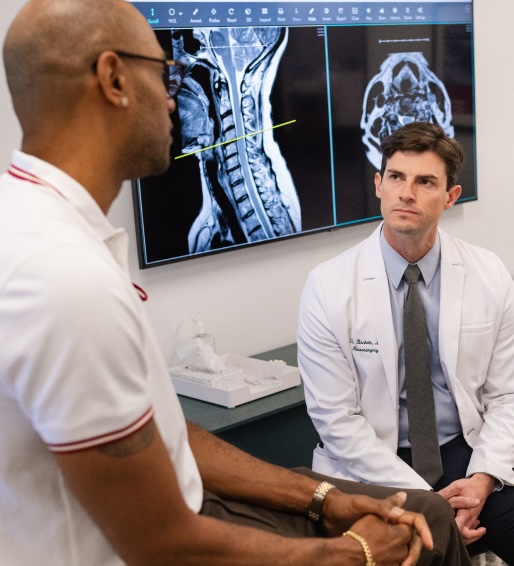
MRI findings are only one part of a complete spine evaluation. Bulging discs, degenerative changes, and spinal narrowing can appear on imaging even in people who have few or no symptoms. Surgery is generally considered only when the imaging findings correspond with the patient’s symptoms, physical examination, neurological changes, and functional limitations. The goal is to treat the patient—not the MRI.
10. Spine Surgery is Only for Older Adults
Spine conditions can affect adults at many stages of life. Younger and more active patients may experience herniated discs, nerve compression, instability, deformity, or injuries that interfere with work, exercise, travel, and everyday activities. When appropriate nonsurgical treatment does not provide sufficient relief, surgery may help restore function and support a return to an active life. Treatment decisions should be based on the diagnosis and the individual’s needs, not age alone.
The Dr. Joel Beckett Philosophy: A Conservative, Individualized Approach
Dr. Beckett’s philosophy is grounded in a straightforward principle: treat only what is necessary and preserve as much healthy anatomy and natural motion as possible. Each treatment plan begins with the least invasive appropriate options, which may include targeted physical therapy, injections, activity modification, and anti-inflammatory strategies. Surgery is considered only when the patient’s symptoms, examination, and imaging indicate that it offers the most effective path toward restoring function and protecting long-term spine health.
Move Forward with Clarity and Confidence
Accurate information can make a meaningful difference when deciding how to address neck or back pain. If uncertainty or outdated assumptions have kept you from exploring your options, scheduling a consultation with Dr. Joel Beckett can provide a clearer understanding of your diagnosis and the treatments available. Together, you can determine whether conservative care, motion-preserving surgery, or another individualized approach offers the most appropriate path forward.
FAQs: Understanding Your Surgical Options
How do I know if I am being told a myth or a medical fact?
A medical fact should connect directly to your diagnosis, symptoms, physical exam, imaging, and treatment options. Be cautious of absolute statements such as “you definitely need fusion,” “you will never be active again,” or “surgery always fails.” In modern spine care, the right answer usually depends on the specific structural problem, the severity of nerve involvement, and your long-term goals.
What is the most common misconception about Artificial Disc Replacement?
One of the most common misconceptions is that artificial disc replacement is experimental. In experienced hands, ADR is a well-established motion-preserving option for many patients with disc-related neck or back pain. The key is proper patient selection. When the painful disc is clearly identified and the surrounding spine remains suitable for motion preservation, ADR can help restore function while maintaining more natural spinal movement.
Does age play a role in the success rate of spine surgery?
Age matters, but it is rarely the only factor that determines success. Overall health, bone quality, nerve function, activity level, diagnosis, and procedure choice often matter more than age alone. Some older patients recover very well after surgery, while some younger patients need careful evaluation because of complex anatomy or long-standing nerve compression. The goal is to match the treatment to the patient, not make assumptions based on age.
Are laser spine surgeries more effective than traditional methods?
Not necessarily. The word “laser” can sound advanced, but it does not automatically mean the procedure is safer, more precise, or more effective. What matters most is whether the surgeon can clearly identify the source of pain and treat it with the right technique. In many cases, modern minimally invasive spine surgery offers the precision patients associate with “laser surgery,” but with better-established tools, visualization, and outcomes.