





TREATMENT
Lumbar Disc Replacement in Los Angeles
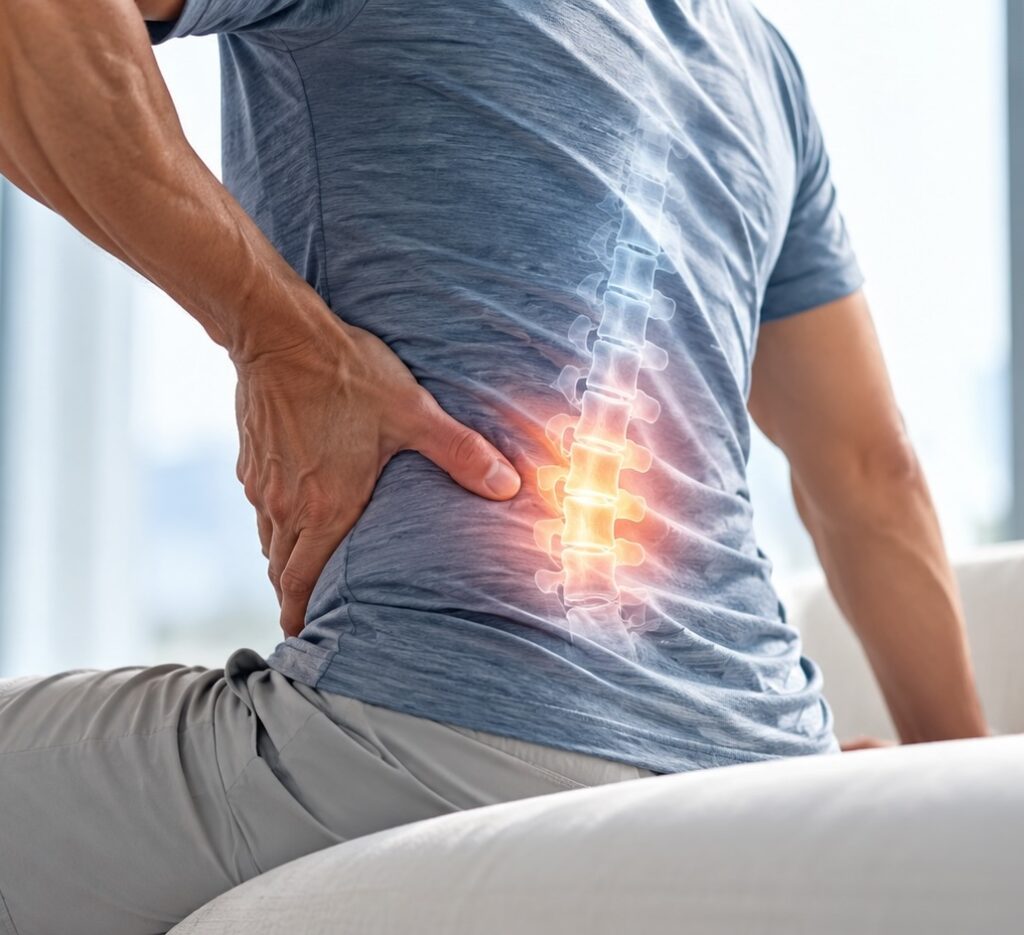
When persistent lower back pain interferes with work, activity, and everyday life, understanding its source is the first step toward effective treatment. For appropriately selected patients whose pain comes from a degenerating lumbar disc, artificial disc replacement may offer relief while preserving movement at the treated level.
Lumbar disc replacement removes the damaged disc and replaces it with an artificial implant designed to maintain motion between the vertebrae. It can provide an alternative to spinal fusion when the patient’s bone quality, facet joint health, spinal stability, and anatomy support a motion-preserving approach.
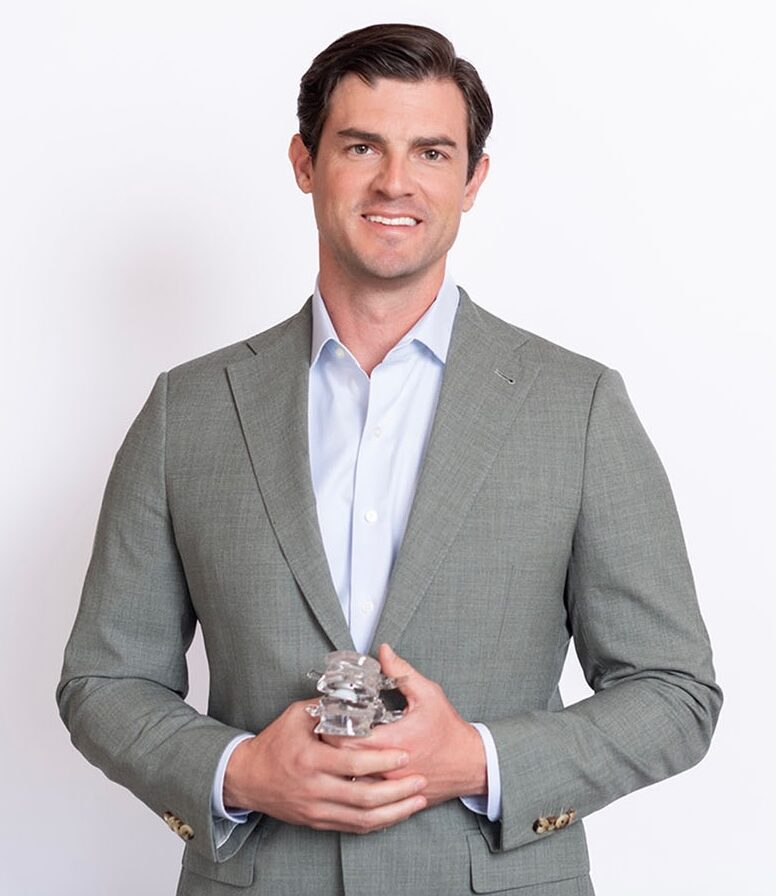
Dr. Joel S. Beckett is a board-certified, dual fellowship-trained neurosurgeon specializing in artificial disc replacement, minimally invasive spine surgery, and complex spinal reconstruction. For patients seeking lumbar disc replacement in Los Angeles, he provides an individualized evaluation at his Beverly Hills and Marina del Rey offices, with consultations also available in Las Vegas. Each recommendation considers the patient’s diagnosis, symptoms, and long-term goals.
Am I a Candidate for Lumbar Disc Replacement?
Lumbar disc replacement may be an option for patients whose persistent lower back pain stems primarily from a damaged disc and has not improved with appropriate nonsurgical treatment.
Potential Candidate Factors
Lumbar disc replacement may be appropriate when several factors align, including:
- Degenerative disc disease at an appropriate lumbar level
- Disc-related lower back pain
- Persistent symptoms despite appropriate nonsurgical care
- Adequate bone quality
- No significant spinal instability or deformity
- Anatomy suitable for artificial disc placement
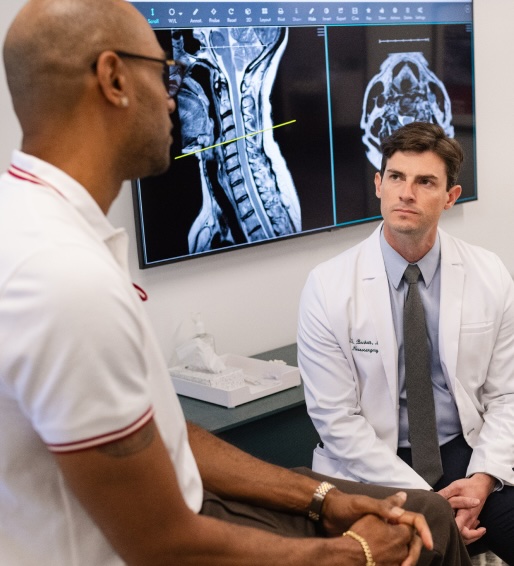
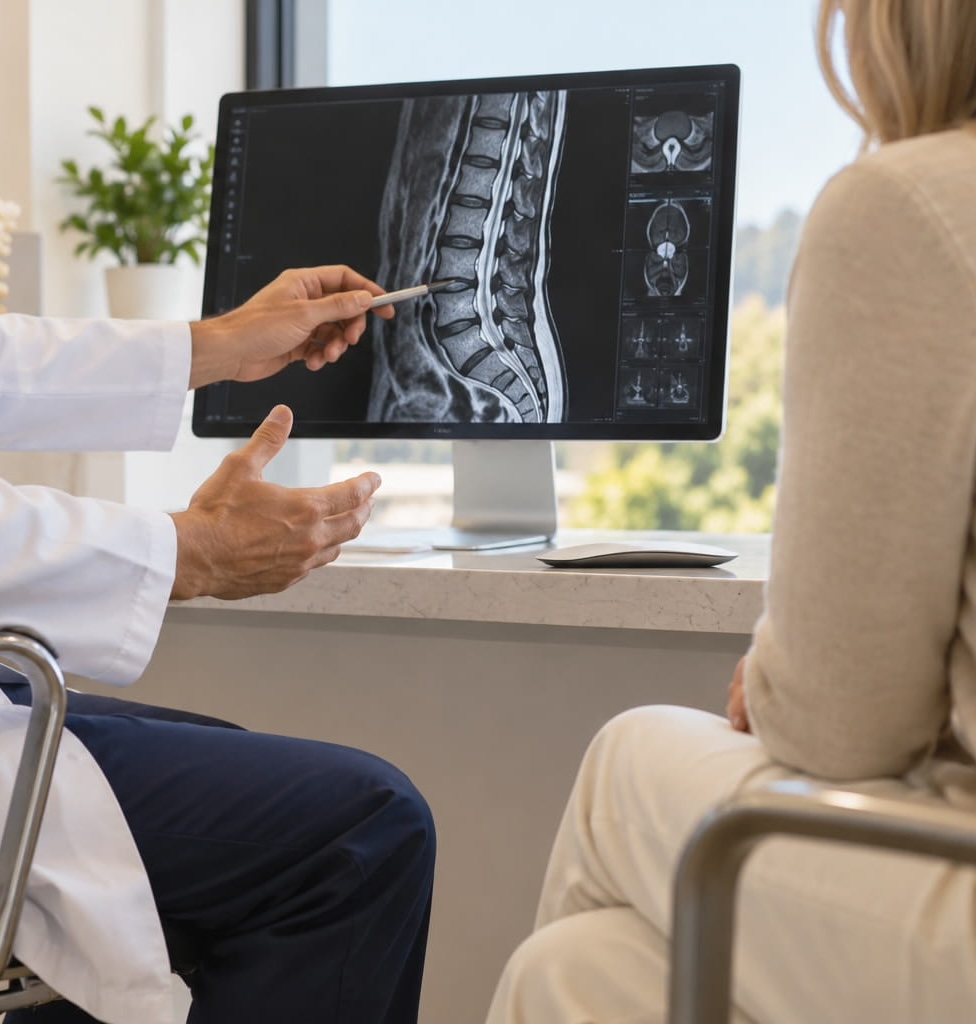
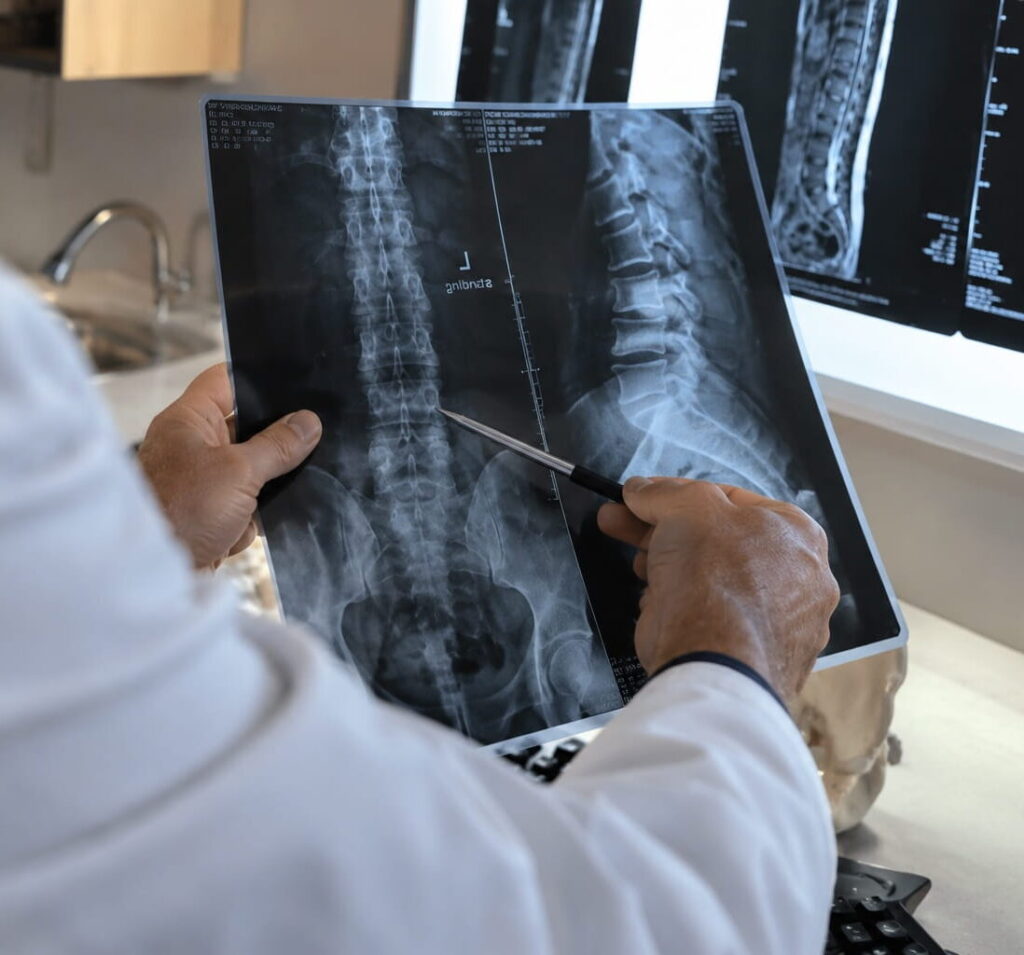
Determining candidacy requires a careful assessment of how a patient’s symptoms align with examination findings and imaging, along with spinal alignment, facet joint health, bone quality, and the affected disc level.
Why Choose Lumbar Disc Replacement Instead of Fusion?
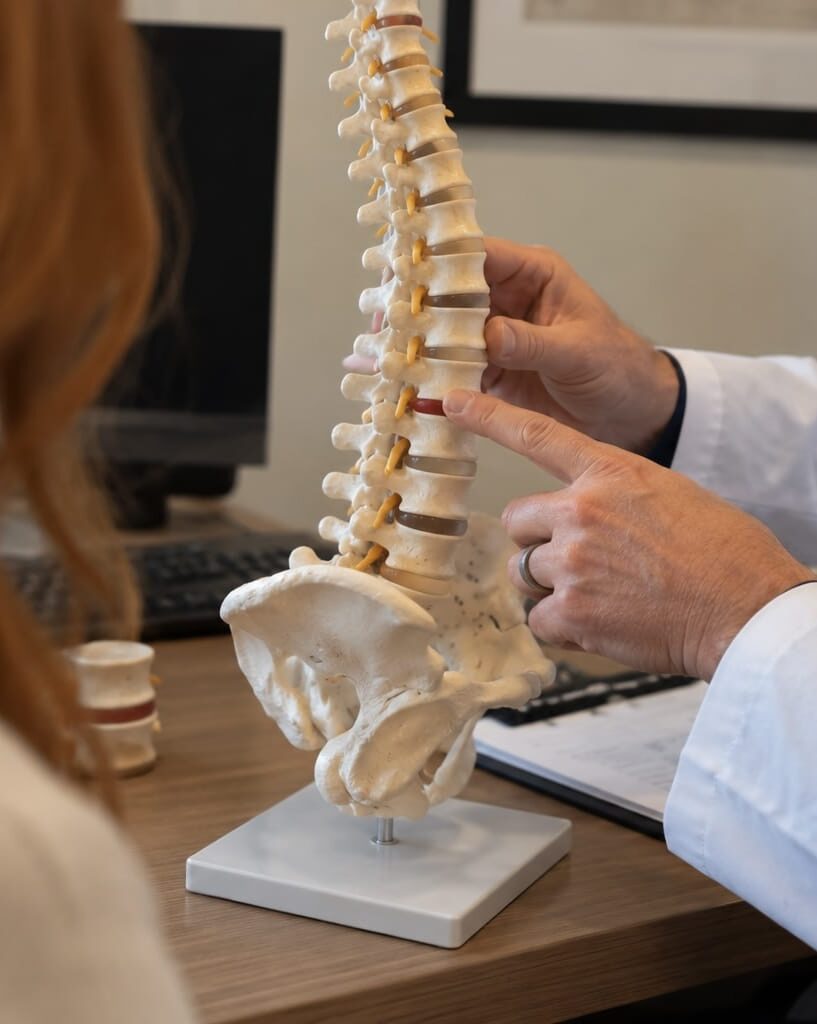
Lumbar disc replacement replaces a damaged disc with an artificial implant designed to preserve motion at the treated level. Lumbar fusion stabilizes that level by joining the adjacent vertebrae, eliminating movement between them. The appropriate approach depends on the patient’s diagnosis, anatomy, and spinal stability.
Potential Benefits of Lumbar Disc Replacement
Lumbar disc replacement addresses a damaged disc while preserving movement at the treated level. For appropriately selected patients, this approach can support more natural spinal mechanics and may offer advantages over fusion, including:
- Preserving motion at the treated level
- Restoring disc height while maintaining mobility
- Supporting more natural spinal mechanics
- Potentially reducing stress on adjacent spinal levels compared with fusion
When both procedures are appropriate, preserving motion may be a meaningful benefit. The choice depends on the patient’s diagnosis, spinal stability and alignment, facet joint health, bone quality, anatomy, and long-term goals.
What Conditions Can Lumbar Disc Replacement Treat?
Lumbar disc replacement is used primarily to treat symptomatic lumbar degenerative disc disease when a damaged disc is identified as the main source of persistent lower back pain. Depending on the level involved, anatomy, and implant used, it may be appropriate for selected patients with:
- Lumbar degenerative disc disease
- Discogenic lower back pain
- Loss of disc height associated with disc degeneration
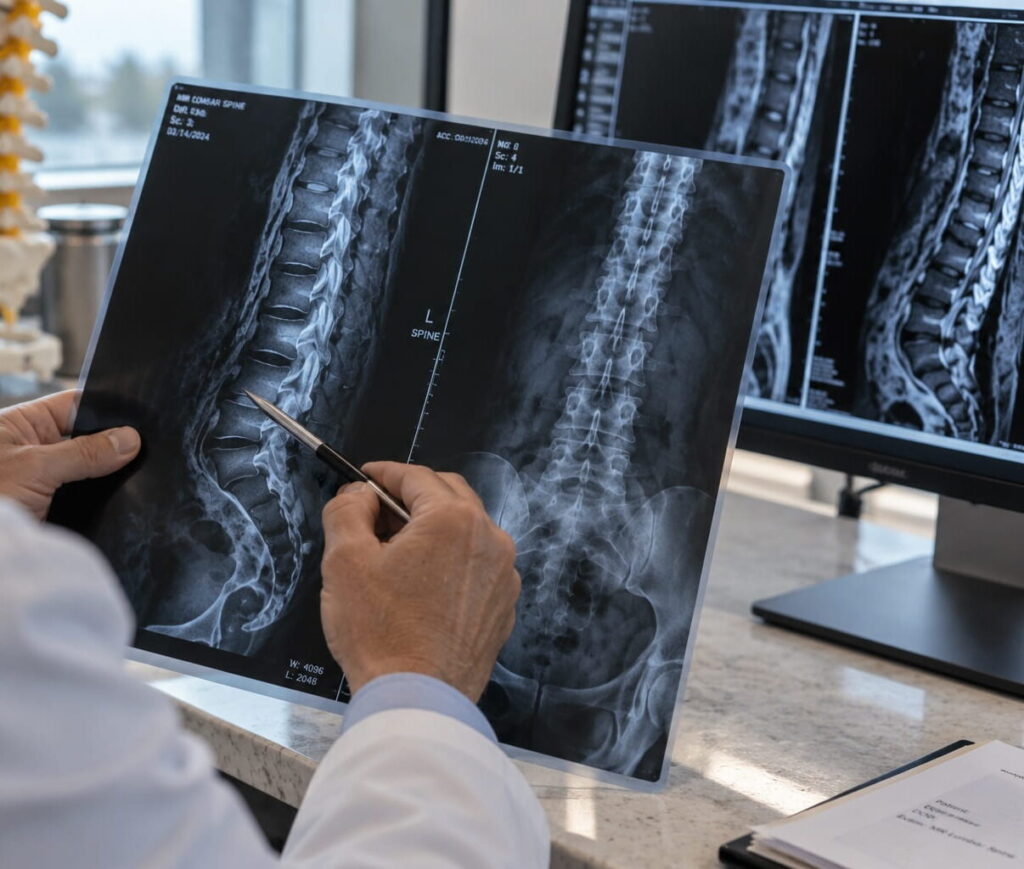
Disc degeneration on an MRI alone does not mean surgery is necessary. Dr. Beckett looks for a clear relationship between the patient’s symptoms, examination, imaging, and the condition of the surrounding spine before recommending disc replacement.
When Is Lumbar Disc Replacement Not Recommended?
Lumbar disc replacement works best when the treated level is stable, the facet joints are healthy, and the surrounding bone and anatomy can safely support an artificial disc. When those conditions are not present, another surgical approach may be more appropriate.
Lumbar disc replacement may not be appropriate when there is:
- Significant facet joint arthritis
- Severe osteoporosis or inadequate bone quality
- Significant spinal instability
- Certain spinal deformities
- Infection
- Certain fractures
- Anatomy that cannot safely support an artificial disc
- Another source of pain that would not be corrected by replacing the disc
These factors are evaluated individually rather than by age or MRI findings alone. When motion preservation is not appropriate, spinal fusion and stabilization may provide a better option for restoring stability and addressing the underlying problem.
How Lumbar Disc
Replacement Surgery Works
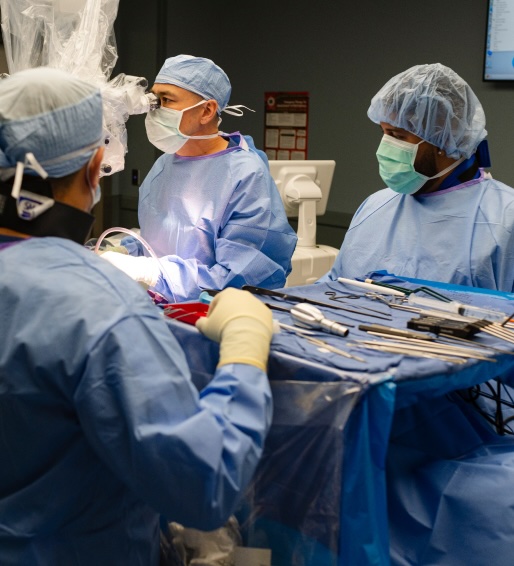
Lumbar disc replacement is designed to remove the damaged disc, restore the space between the vertebrae, and preserve motion at the treated level. The procedure is typically performed through the front of the spine.
Step 1: Accessing the Lumbar Spine
Dr. Beckett reaches the lumbar spine through an anterior approach, using an incision in the abdomen to access the front of the spine. This allows him to reach the damaged disc directly without working through the muscles of the lower back.
Step 2: Removing the Damaged Disc
Dr. Beckett carefully removes the damaged disc. When needed, he can also relieve pressure on nearby nerve structures.
Step 3: Placing the Artificial Disc
Dr. Beckett positions the artificial disc between the vertebrae to restore disc height and preserve movement at the treated level.
Step 4: Confirming Position and Alignment
Imaging is used during surgery to confirm implant position and spinal alignment before the procedure is completed.
What Artificial Discs Are Used for Lumbar Disc Replacement?
Artificial lumbar discs vary in size and design. FDA-approved options include prodisc® L and activL®. Device selection depends on the patient’s anatomy, clinical needs, and implant availability.
prodisc® L
The prodisc L uses a ball-and-socket design with a fixed center of rotation. It is FDA-approved for replacement of one or two adjacent lumbar discs from L3 through S1 in appropriately selected patients with degenerative disc disease.
activL®
The activL uses a mobile-core design that allows controlled rotation as well as a small amount of forward-and-backward movement. It is FDA-approved for single-level disc replacement at L4-L5 or L5-S1.
Dr. Beckett considers the level being treated, spinal anatomy, bone quality, alignment, and other factors when selecting an artificial disc. Precise sizing and positioning are also important to restore disc height and support appropriate motion after surgery.
What Is Recovery
Like After Lumbar
Disc Replacement?
Recovery after lumbar disc replacement can be faster than after lumbar fusion because the vertebrae do not need to fuse together. Most patients begin walking soon after surgery and gradually resume daily activities over the following weeks, guided by their progress and Dr. Beckett’s recommendations.
- Walking: Most patients stand and walk the day of surgery or within 24 hours; short, frequent walks are encouraged during early recovery.
- Driving: Many patients can return to driving within one to two weeks, once they are no longer taking opioid pain medication and can sit, turn, and react comfortably and safely.
- Work: Light or desk-based work may be possible within about one week for some patients. Jobs that require substantial lifting, bending, or physical labor generally require more recovery time.
- Exercise: Walking begins almost immediately. Light exercise can usually increase gradually over the following weeks, while more strenuous exercise and sports may require several weeks to a few months.
- Bending and lifting: Heavy lifting and excessive bending or twisting are restricted during the first few weeks. Dr. Beckett gradually clears these activities as the surgical site heals and the implant remains stable.
- Physical therapy: Formal physical therapy may be recommended to restore strength, flexibility, and movement mechanics, but the need and timing depend on the individual patient and procedure.
Many patients make substantial progress within three to five weeks, although return to unrestricted activity can take up to several months. Recovery also depends on the number of levels treated, overall health, physical demands, and individual healing.
What Results Can
Patients Expect?
For appropriately selected patients, lumbar disc replacement is designed to relieve pain from the damaged disc while preserving motion at the treated level. The goal is not only symptom relief, but also better function and a return to the activities that matter most.
- Reduce pain caused by the damaged lumbar disc
- Improve function and mobility
- Preserve motion at the treated spinal level
- Support return to everyday activities, work, and exercise
- Reduce nerve-related symptoms when nerve compression is part of the condition
Results vary from patient to patient. The likelihood of a good outcome depends heavily on identifying the true source of symptoms, selecting the right patient, and choosing a procedure that matches the individual anatomy and diagnosis.
Lumbar Disc Replacement After a Previous Spine Surgery
A previous lumbar spine surgery does not automatically rule out artificial disc replacement. Prior discectomy, decompression, or surgery at another lumbar level may still be compatible with disc replacement, but each can affect spinal mechanics and the overall treatment plan.
Dr. Beckett reviews updated imaging to assess disc degeneration, alignment, facet joint health, bone quality, and spinal stability. He then considers those findings alongside the prior operation and current symptoms to determine whether lumbar disc replacement remains appropriate or whether another approach would provide a more durable result.
Why Choose Dr. Joel Beckett for Lumbar Disc Replacement in Los Angeles?
Dr. Joel S. Beckett is a board-certified, dual fellowship-trained neurosurgeon and a member of the ADR Spine Top Doctors in Arthroplasty program. Having performed more than 950 artificial disc replacement surgeries, he brings substantial experience in motion preservation and patient selection to patients considering lumbar disc replacement in Los Angeles.
His training includes medical and research degrees from Yale, neurosurgical residency at UCLA, and advanced spine fellowships at the Cleveland Clinic Foundation and Kaiser Permanente Los Angeles Medical Center. Recognized among Los Angeles Magazine’s Top Doctors in 2025 and 2026, his expertise spans artificial disc replacement, minimally invasive spine surgery, and complex and revision spine surgery. This breadth supports a comprehensive evaluation of when motion preservation is appropriate and when fusion or another treatment may offer greater benefit. Careful evaluation, clear education, and individualized surgical planning guide every recommendation, with the goal of relieving pain, preserving function, and supporting lasting spinal health.
Frequently Asked Questions
About Lumbar Disc Replacement
How long does a lumbar artificial disc last?
Lumbar artificial discs are designed for long-term use, but no implant can be guaranteed to last a specific number of years. Durability depends on the device, placement, spinal mechanics, activity level, and individual anatomy.
Is lumbar disc replacement better than fusion?
For appropriately selected patients, lumbar disc replacement may offer an advantage by preserving motion at the treated level. Fusion may be more appropriate when there is instability, severe facet arthritis, poor bone quality, deformity, or another condition that makes disc replacement unsuitable.
Can I have lumbar disc replacement if I already had a discectomy?
Yes, in some cases. A prior discectomy does not automatically rule out lumbar disc replacement. Dr. Beckett evaluates the treated level, facet joints, spinal stability, bone quality, and current symptoms to determine whether disc replacement remains appropriate.
Can lumbar disc replacement help sciatica?
It can in selected cases, but sciatica alone is not a reason to perform lumbar disc replacement. Disc replacement may help when nerve symptoms occur alongside symptomatic disc degeneration at the same level and the procedure also addresses the nerve compression.
Is lumbar disc replacement covered by insurance?
It may be, but coverage varies by insurer, diagnosis, device, number of levels treated, and the terms of the individual policy. Some plans may require documentation of failed nonsurgical treatment or other criteria before authorizing lumbar disc replacement.
How do I know whether my back pain is actually coming from a disc?
Disc-related pain cannot be diagnosed from MRI findings alone. Dr. Beckett compares the pattern of symptoms with the physical examination and imaging, while also considering other possible pain sources such as the facet joints, nerves, sacroiliac joints, or spinal instability.
Find Out if Lumbar
Disc Replacement
Is Right for You
Successful lumbar disc replacement begins with an accurate diagnosis and a treatment plan tailored to the patient’s anatomy, condition, and long-term goals. Dr. Beckett’s philosophy—motion first, fusion last—prioritizes preserving movement whenever it can offer a safe, durable result, while recognizing when fusion is necessary to restore stability and function.
Schedule a consultation with Dr. Joel Beckett to explore whether lumbar disc replacement is right for you. Consultations are available in Beverly Hills and Marina del Rey, serving patients throughout Los Angeles, as well as in Las Vegas.
Dr. Joel S. Beckett is a
Top Doctor in ADR &
Arthroplasty
Dr. Beckett received ADR Spine’s Top Doctor in Arthroplasty recognition for his innovative approach to disc replacement. Working alongside pioneers like Dr. Todd Lanman, he is at the forefront of transforming the future of spine care.
TESTIMONIALS FROM OUR PATIENTS
This has been an Incredible surgery and recovery process. Neurosurgeon Dr. Beckett is exceptional, one of a kind in diagnosis, surgical skill and communication; It was an honor to be cared for by him and his entire team. I have had immediate relief from a tough- long-standing injury. Dr. Beckett’s team, including Brian Sorto DNP, Cat Gonzalez and the staff of the in house surgery center made my surgery and recovery a smooth and seamless experience. I recommend Dr. Beckett highly and his surgical and office team.
MAYA CHARLES
Before and after. All the nerve pain is gone!! Thank you Dr. Beckett!!
NATHAN DIXON
After more than a year of debilitating pain in both arms, I had given up many daily activities. Dr. Beckett carefully explained the issues in my neck and how disc replacement could help. He reviewed my imaging in detail so I understood the treatment plan. Six weeks after surgery, my symptoms are gone and I’m back to the activities I love. I’m deeply grateful for Dr. Beckett and his compassionate team.
JOCELYN HITTLE
Artificial Disc Replacement
After a year and a half of severe nerve pain in both arms, I was referred to Dr. Beckett for C5–C7 disc replacement. He explained the diagnosis and treatment clearly and helped me feel confident moving forward with surgery. The results have been outstanding. Dr. Beckett and his entire staff showed exceptional care and compassion throughout the process. I would trust him with any member of my family.
DAVID NAHMOD
C5-7 Disc Replacement
Dr. Beckett and his entire staff are thee best. I am in my six month of recovery from my L4/L5 surgery and it has been as good of an experience as I could have hoped for. Dr. Beckett, Brian Sorto and Cat Gonzales were always there to help and support me any time I would reach out. Dr Beckett is never in a rush and I always felt I was being heard. I hope I never have to go through another back surgery, but if I do, there is no one I would rather have taking care of me.
MICHAEL POLITO
L4/L5 Surgery
Deciding on a surgeon is always scary, but putting your trust in someone to operate on your spine is honestly terrifying. I spoke with a couple of surgeons about my case, but after my first consult with Dr. Beckett, I knew he was the right choice. Even over Zoom, it was clear to me that he wasn’t just a gifted surgeon but also an exceptional person.
CHANTEL WHILES
Scoliosis Correction Surgery
Insights, Press & Case Highlights
Schedule A
Consultation
Take the next step toward better spine
health. Schedule a consultation with
Dr. Beckett today.
Follow @DrBeckettMD on Social Media